
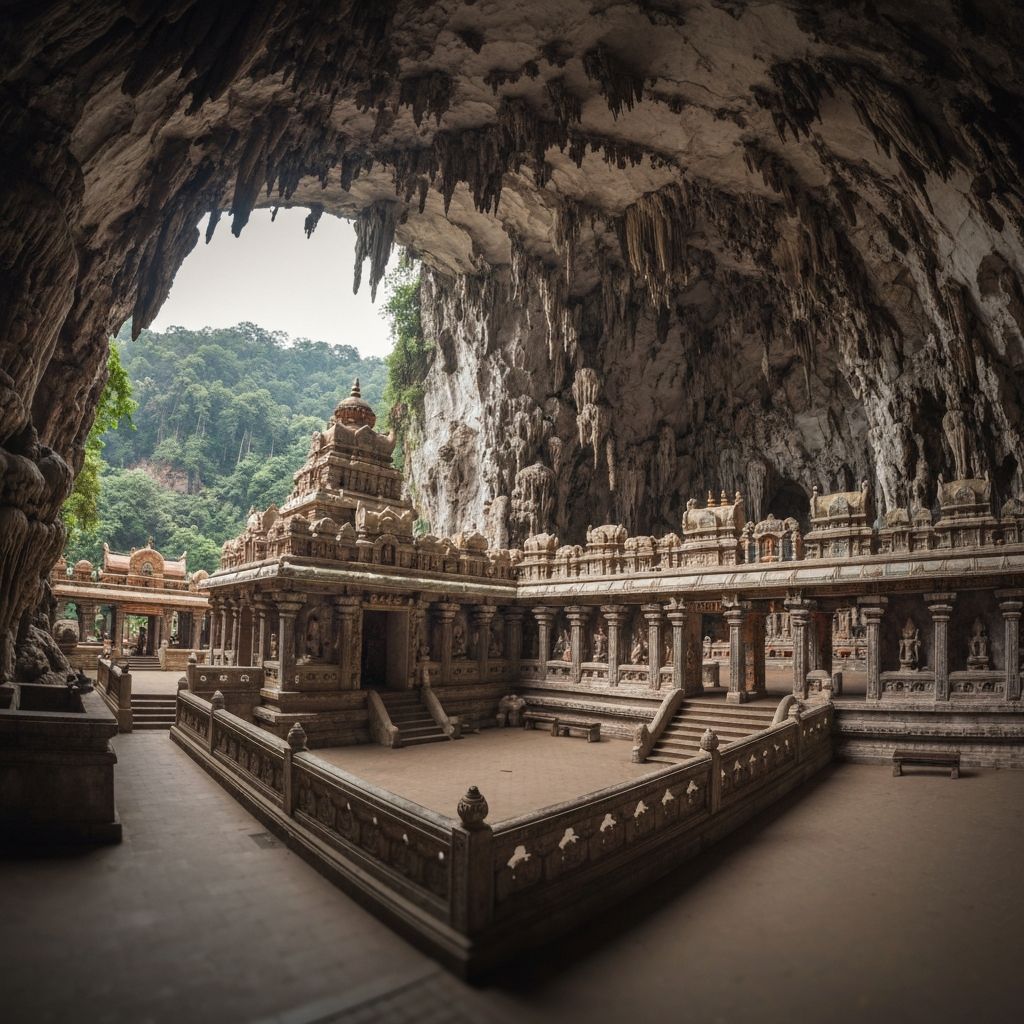
Ipoh, Perak
A charming heritage city famous for its limestone caves, colonial architecture, and legendary white coffee
Location
Perak state capital, 200km north of KL
Best Time to Visit
December to February for cooler weather
Famous For
White coffee, cave temples, street art
Experience Ipoh's Heritage Charm
Ipoh, the capital of Perak state, is a hidden gem that perfectly blends colonial heritage with natural beauty and culinary excellence. Once a booming tin mining town during the British colonial era, Ipoh has transformed into a charming city that preserves its historical architecture while embracing modern development. The city is surrounded by dramatic limestone hills that house mysterious cave temples, while its old town features stunning Art Deco and colonial buildings that tell stories of a glorious past. Today, Ipoh attracts visitors seeking authentic Malaysian culture, delicious local cuisine, and peaceful exploration away from the crowds of major tourist destinations.
Magnificent Cave Temples
Ipoh's most spectacular attractions are its limestone cave temples, carved into and around the dramatic karst formations surrounding the city. The Sam Poh Tong temple, one of the largest cave temples in Malaysia, features a stunning main cave adorned with Buddhist statues and a serene tortoise pond. Kek Lok Tong, set within a 20-minute walk from the city center, offers beautifully landscaped gardens inside a massive limestone cave with stalactites and stalagmites. The Perak Tong temple, built in 1926, requires climbing 450 steps but rewards visitors with panoramic city views and impressive 12-meter-high Buddha statues. These mystical caves provide cool retreats and spiritual experiences that showcase the harmonious relationship between nature and faith.
Colonial Architecture and Old Town
Ipoh's Old Town is an architectural treasure trove featuring well-preserved colonial buildings, many dating back to the late 19th and early 20th centuries. The iconic Ipoh Railway Station, completed in 1917, exemplifies the "Taj Mahal of Ipoh" nickname with its Moorish-Victorian architecture featuring elegant domes and arches. The Town Hall and Old Post Office building showcase similar colonial grandeur. Walking through streets like Jalan Panglima and Concubine Lane reveals rows of shophouses with ornate facades, decorative columns, and intricate tilework. Many of these heritage buildings have been thoughtfully restored and now house trendy cafes, boutique hotels, and art galleries, creating a perfect blend of old-world charm and contemporary lifestyle.
Ipoh White Coffee and Culinary Delights
Ipoh is synonymous with white coffee, a local innovation where coffee beans are roasted in palm oil margarine, creating a smoother, less bitter brew. Numerous traditional kopitiams (coffee shops) serve this legendary beverage alongside delicious local breakfast dishes. Beyond white coffee, Ipoh is a food paradise famous for its bean sprouts (grown in mineral-rich water), smooth hor fun noodles, salt-baked chicken, and curry mee. The city's hawker centers and food courts offer authentic flavors at affordable prices. Famous establishments like Lou Wong Tauge Ayam and Thean Chun have been serving their specialties for generations. Food enthusiasts can spend days exploring Ipoh's culinary scene, from street food to restaurant dining, discovering why locals claim their city has the best food in Malaysia.
Street Art and Creative Scene
Following Penang's success with street art, Ipoh has developed its own impressive collection of murals and art installations throughout the Old Town. Lithuanian artist Ernest Zacharevic created several iconic murals depicting scenes of old Ipoh life, including the famous "Hummingbird" and "Little Girl with Watering Can" pieces. Local artists have added their works, creating an outdoor gallery that encourages exploration on foot. Concubine Lane, a narrow alley with a colorful past, has been transformed into a tourist attraction featuring street art, handicraft shops, and traditional snack vendors. The Ipoh Mural Art Trail allows visitors to discover over 20 murals while learning about the city's history and culture, making it a perfect activity for photography enthusiasts and culture seekers.
Natural Attractions and Outdoor Activities
Beyond the city limits, Ipoh offers numerous natural attractions for outdoor enthusiasts. The Lost World of Tambun is a comprehensive theme park featuring hot springs, water slides, petting zoos, and amusement rides set against dramatic limestone cliffs. For more adventurous visitors, rock climbing on Ipoh's limestone formations is world-renowned, with routes suitable for beginners to experts. The nearby Kampar River offers white-water rafting opportunities during the monsoon season. Day trips to the Royal Belum rainforest, one of the world's oldest tropical jungles, or the scenic Cameron Highlands tea plantations are easily arranged from Ipoh. The Kinta Nature Park provides easy hiking trails and opportunities to observe local wildlife in preserved natural habitats.
Practical Information for Visitors
Ipoh is easily accessible from Kuala Lumpur by car (2.5 hours), train (2.5 hours on the comfortable ETS service), or bus (3 hours). The city center is compact and walkable, though bicycles and e-scooters are available for rent to cover more ground. Most attractions are within the Old Town area, making it convenient to explore multiple sites in a day. Accommodation ranges from budget hostels to boutique heritage hotels, many occupying beautifully restored shophouses. The city's laid-back atmosphere makes it ideal for a relaxing 2-3 day visit. Unlike more touristy destinations, Ipoh retains authentic local character, allowing visitors to experience genuine Malaysian city life. The friendly locals, affordable prices, and rich cultural experiences make Ipoh an essential stop for travelers seeking to understand Malaysia beyond the typical tourist trail.