
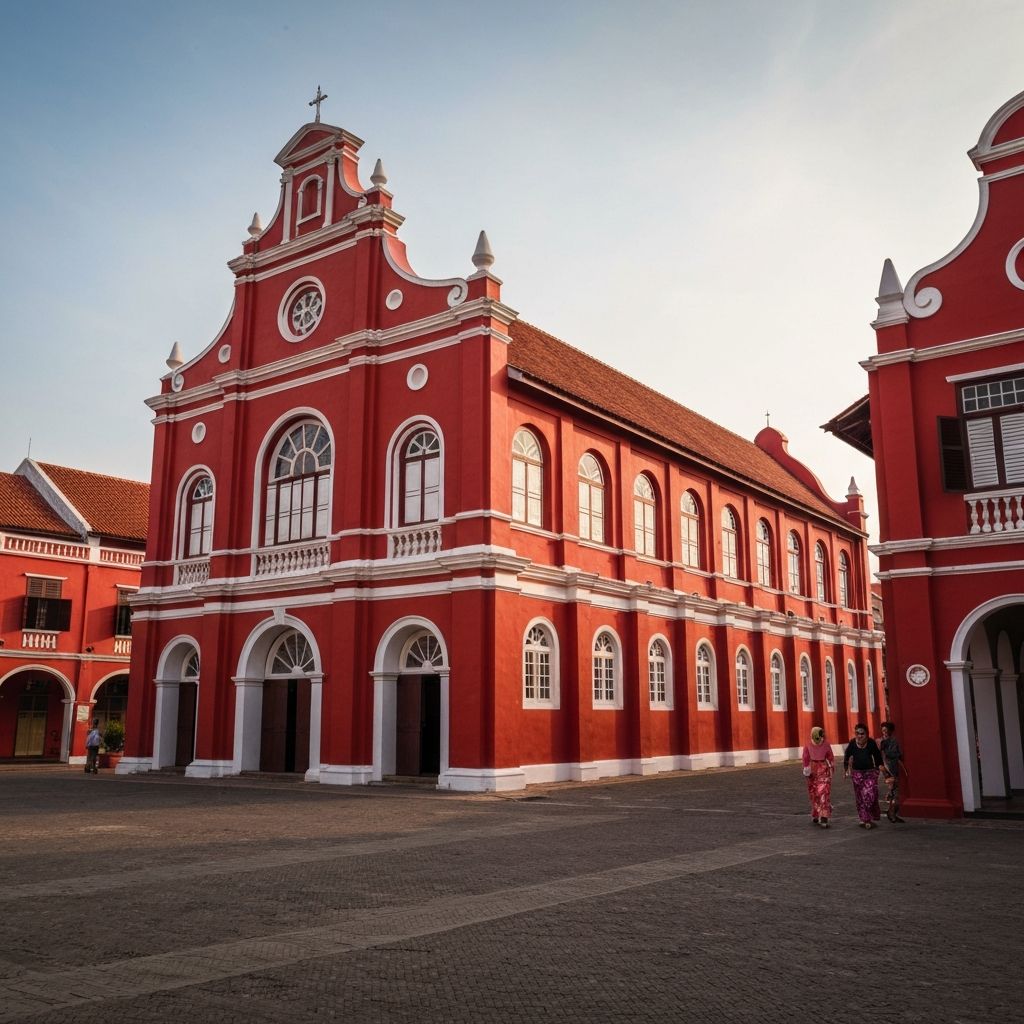
Malacca
A UNESCO World Heritage city with 600 years of fascinating history and multicultural heritage
Location
Southern Peninsular Malaysia, 150km from KL
Heritage Status
UNESCO World Heritage Site since 2008
Famous For
Colonial architecture, Nyonya culture, museums
Experience Malacca's Living History
Malacca (Melaka in Malay) stands as one of Malaysia's most historically significant cities, with a rich heritage spanning over 600 years. Founded in the 15th century by Parameswara, a Sumatran prince, Malacca grew into a powerful trading port that attracted merchants from across Asia, the Middle East, and eventually Europe. Its strategic location along the Straits of Malacca made it a prized possession, leading to successive colonizations by the Portuguese (1511), Dutch (1641), and British (1824). This layered history created a unique cultural fusion evident in the city's architecture, language, cuisine, and traditions. In 2008, Malacca's historic center earned UNESCO World Heritage Site designation alongside George Town, Penang, recognizing its "exceptional example of the multicultural heritage and tradition of Asia." Today, Malacca balances heritage preservation with modern development, offering visitors an immersive journey through centuries of Southeast Asian history.
Dutch Square and Colonial Architecture
The iconic Stadthuys, painted in distinctive salmon-red, dominates Dutch Square as the oldest Dutch building in the East, constructed in 1650. Originally the administrative center, it now houses the Museum of History and Ethnography, displaying Malaccan artifacts, traditional costumes, and historical exhibits. Adjacent to Stadthuys stands Christ Church, built in 1753, showcasing Dutch colonial architecture with its massive ceiling beams (each carved from single trees), handmade pews, and beautiful stained glass windows. The square features the Queen Victoria Fountain and the famous Malacca River flowing nearby. The Porta de Santiago (A Famosa Fort gate) remains the sole surviving structure of the Portuguese fortress built in 1511, offering photo opportunities and historical context. On the hilltop, St. Paul's Church ruins provide panoramic city views; built by the Portuguese in 1521, it later served as the Dutch Reformed Church and even briefly housed St. Francis Xavier's body before his transfer to Goa. The surrounding Dutch Cemetery contains gravestones dating back to the 1600s, telling stories of colonial life and its hardships.
Jonker Street and Chinatown
Jonker Street (Jalan Hang Jebat) serves as the heart of Malacca's Chinatown, lined with heritage shophouses housing antique stores, art galleries, cafes, and souvenir shops. The street transforms every weekend into a vibrant night market featuring over 300 stalls selling local delicacies, handicrafts, accessories, and collectibles. The area preserves Peranakan culture, a unique blend of Chinese and Malay influences developed over centuries. The Baba & Nyonya Heritage Museum, set in a beautifully preserved ancestral home, showcases the elaborate lifestyle of wealthy Peranakan families through antique furniture, porcelain, jewelry, and ceremonial objects. Cheng Hoong Teng Temple, Malaysia's oldest functioning Chinese temple (1645), features impressive architecture with decorative ceramic animals, intricate carvings, and multiple deity shrines. The nearby Kampung Kling Mosque (1748) reflects Sumatran-style Islamic architecture rarely seen in Malaysia. The Sri Poyyatha Vinayagar Moorthi Temple, Malacca's oldest Hindu temple, completes the religious diversity within walking distance. Walking through these narrow streets reveals a treasure trove of pre-war architecture, traditional businesses that have operated for generations, and cafes serving Nyonya specialties like laksa and cendol.
Museums and Cultural Attractions
Malacca boasts an impressive concentration of museums, each offering unique perspectives on different aspects of the city's heritage. The Maritime Museum, housed in a replica Portuguese ship, explores Malacca's golden age as a trading port through artifacts, dioramas, and historical displays. The adjacent Royal Malaysian Navy Museum features naval equipment and military history. The Proclamation of Independence Memorial occupies the former Malacca Club building where preparations for Malaysia's independence took place. The Sultanate Palace Museum, a wooden replica of the 15th-century palace, recreates the splendor of the Malacca Sultanate with exhibits on courtly life, royal customs, and the golden age before colonial occupation. The Stamp Museum delights philatelists with extensive collections of Malaysian and international stamps. For something different, the Beauty Museum displays cultural beauty practices across civilizations, while the Kite Museum showcases Malaysia's traditional wau kites. The Malay and Islamic World Museum explores Islamic influence in the Malay archipelago. The Youth Museum and Education Museum provide insights into social development. These diverse museums can easily fill several days for enthusiasts, though most visitors select a few based on personal interests.
Malacca River and River Cruise
The Malacca River has undergone significant beautification, transforming from a neglected waterway into a charming attraction lined with murals, cafes, and heritage buildings. River cruises offer relaxing 45-minute journeys from the Dutch Square area to the river mouth, providing unique perspectives of the city. During the cruise, passengers glide past colorful murals depicting Malaccan life and history, restored warehouses converted into galleries and eateries, traditional kampung houses, and modern developments. The riverside promenade has become a popular walking and cycling route, particularly pleasant during evenings when cooler temperatures and illuminated buildings create romantic ambiance. Several riverside cafes and restaurants offer dining with water views, specializing in Nyonya cuisine, Portuguese-Eurasian dishes, and international options. The river area hosts cultural performances during weekends and special occasions. The recent addition of water taxis provides convenient transportation between major attractions along the river. The Malacca River Project's success in revitalizing this waterway has made it a model for urban renewal, proving that heritage preservation and modern amenities can coexist harmoniously.
Nyonya Cuisine and Food Heritage
Malacca is renowned for its Nyonya (Peranakan) cuisine, a unique culinary tradition blending Chinese ingredients and cooking techniques with Malay spices and flavors. This fusion developed over centuries as Chinese traders who settled in Malacca married local women, creating a distinct community with its own language, customs, and food culture. Signature dishes include Nyonya laksa (spicy coconut-based noodle soup), ayam pongteh (chicken stewed in fermented soybean paste), otak-otak (spiced fish mousse grilled in banana leaves), and pindang (pickled vegetables). Restaurants like Nancy's Kitchen, Aunty Koh Kitchen, and Nyonya Makko specialize in authentic home-style Nyonya cooking. Beyond Nyonya food, Malacca offers diverse culinary experiences including Portuguese-Eurasian cuisine in the Portuguese Settlement area, featuring grilled seafood and devil curry. Satay celup, Malacca's version of hot pot where skewered ingredients are cooked in bubbling peanut sauce, has become a local obsession with Capitol Satay being the most famous establishment. The historic Hoe Kee Chicken Rice Ball serves rice molded into balls, a tradition unique to Malacca. For desserts, cendol (shaved ice with palm sugar, coconut milk, and green rice flour jelly) from Jonker Street cools visitors in the tropical heat. Food trails and cooking classes allow visitors to delve deeper into this culinary heritage.
Practical Information for Visitors
Malacca is easily accessible from Kuala Lumpur (approximately 2 hours by car or bus) and Singapore (about 3.5 hours). Multiple bus services operate daily from KL's TBS terminal and Singapore's Golden Mile Complex. The historic center is compact and best explored on foot, with most major attractions within walking distance. Bicycle rentals and trishaw services (brightly decorated bicycle taxis) offer alternative transportation options. For longer distances, Grab ride-hailing and local taxis are available. Accommodation options range from budget hostels to boutique heritage hotels in converted shophouses, mid-range chain hotels, and waterfront resorts. Staying in the heritage area provides atmospheric experiences with proximity to attractions. Most visitors allocate 2-3 days to explore Malacca's main sights, though history enthusiasts could spend longer visiting the numerous museums. The climate is hot and humid year-round, with slightly cooler periods December to February. Weekend visits coincide with Jonker Street Night Market (Friday-Sunday evenings), though weekdays offer a quieter experience. English is widely spoken in tourist areas. Several malls and shopping centers provide air-conditioned respites from the heat. The city's manageable size, rich historical narrative, diverse architecture, and excellent food scene make Malacca an essential stop for anyone seeking to understand Malaysia's complex multicultural heritage and the historical forces that shaped Southeast Asia.