
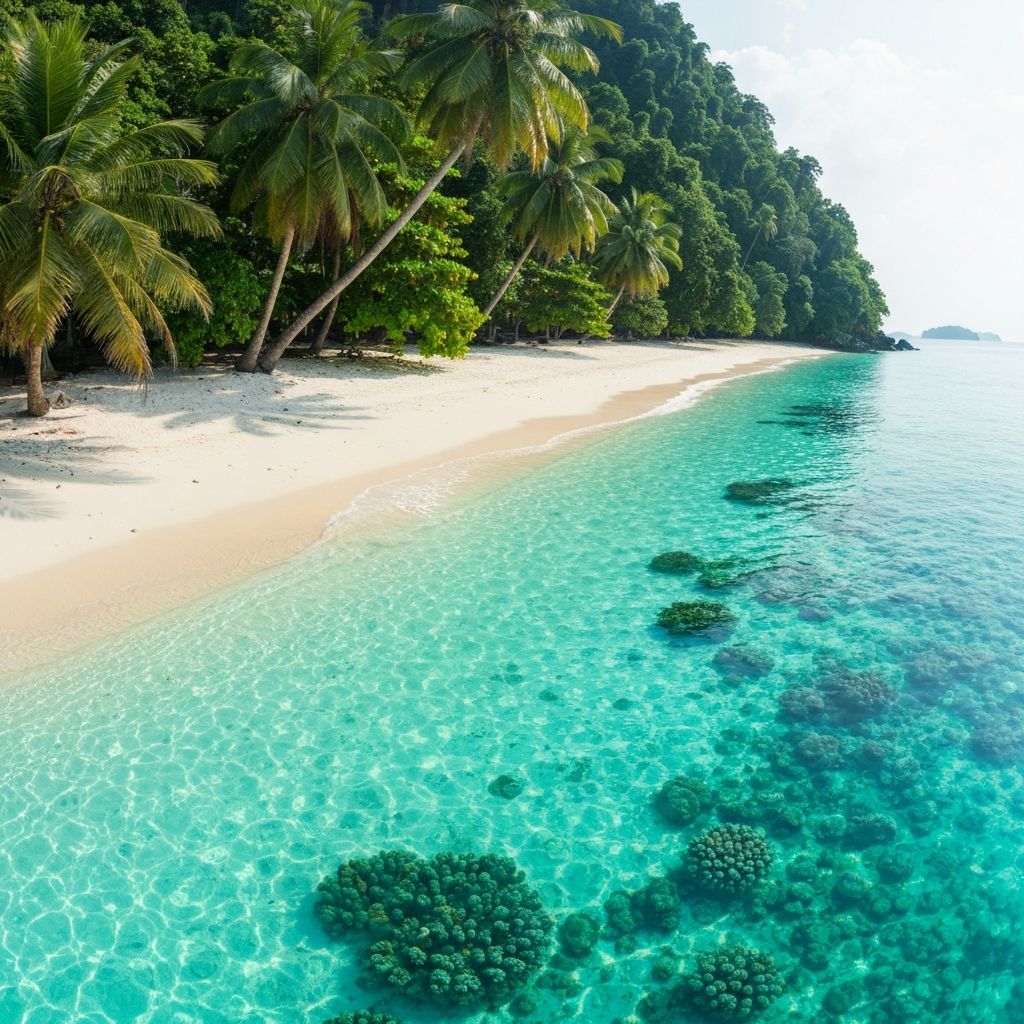
Perhentian Islands
Pristine tropical paradise with crystal-clear waters, vibrant coral reefs, and abundant marine life
Location
Terengganu, South China Sea, off east coast
Best Time to Visit
March to October (closed Nov-Feb)
Famous For
Snorkeling, diving, sea turtles, beaches
Discover Paradise at Perhentian Islands
The Perhentian Islands, comprising Perhentian Besar (Big Perhentian) and Perhentian Kecil (Small Perhentian), represent Malaysia's most beautiful and relatively unspoiled tropical island destination. Located approximately 19 kilometers off the northeastern coast of Peninsular Malaysia in Terengganu state, these islands form part of Pulau Redang National Marine Park, protecting their pristine waters and abundant marine ecosystems. "Perhentian" derives from the Malay word "henti," meaning "stop," as the islands historically served as waypoints for traders sailing between Bangkok and Malaysia. Today, they attract travelers seeking the quintessential tropical paradise experience: powder-white beaches fringed with palm trees, turquoise waters with visibility exceeding 20 meters, vibrant coral reefs teeming with tropical fish, and a laid-back atmosphere largely free from mass tourism development. The absence of motorized vehicles and limited development maintains the islands' natural charm and tranquil ambiance.
Perhentian Kecil - Backpacker Paradise
Perhentian Kecil caters primarily to backpackers and budget travelers, offering simple beachfront accommodations, lively beach bars, and a vibrant social atmosphere. Long Beach (Pasir Panjang), the island's main hub, stretches nearly a kilometer with golden sand backed by budget chalets, dive shops, restaurants, and bars. This beach comes alive at night with beach barbecues, fire shows, and social gatherings. Coral Bay, on the island's eastern side, offers slightly quieter surroundings with excellent snorkeling directly from the beach. The shallow coral gardens here host colorful parrotfish, angelfish, and occasionally baby blacktip reef sharks. The beach's compact size creates an intimate atmosphere where travelers easily meet. Snorkeling equipment is readily available for rent, though many accommodations provide complimentary gear. The jungle path connecting Long Beach and Coral Bay takes about 30 minutes to traverse, offering an adventurous alternative to water taxis. Small shops and restaurants along the main beaches serve fresh seafood, Malaysian dishes, and Western favorites. ATMs are limited and internet connectivity unreliable, encouraging visitors to disconnect and embrace island life. Despite its backpacker focus, Perhentian Kecil maintains clean beaches and responsible tourism practices through local conservation efforts.
Perhentian Besar - Quieter Luxury
Perhentian Besar attracts families and travelers seeking more comfortable accommodations in quieter settings. The island features several upscale resorts offering air-conditioned rooms, swimming pools, spa services, and organized activities. Teluk Dalam, Three Coves Bay, and Flora Bay host the main resort properties with private beach access. These beaches offer pristine conditions with fewer crowds compared to Perhentian Kecil. The island's larger size provides more secluded spots and opportunities for exploration. Jungle trails wind through the interior, though they're less developed than on Perhentian Kecil. Turtle Beach on the northern tip serves as an important nesting site for green and hawksbill turtles, particularly from April to August. Visitors can sometimes witness these magnificent creatures coming ashore to lay eggs in the evening, or hatchlings making their way to the sea at dawn, though maintaining respectful distance is crucial. Perhentian Besar offers better facilities for families with young children, including calm swimming areas and kid-friendly accommodations. Despite the upscale focus, the island maintains a relaxed atmosphere without excessive development. Day visitors from Perhentian Kecil often boat over for snorkeling trips to the excellent reefs surrounding the island.
Snorkeling and Marine Life
The Perhentian Islands' greatest attraction lies beneath the crystal-clear waters. The surrounding coral reefs support extraordinary marine biodiversity within a protected marine park. Snorkelers commonly encounter green and hawksbill sea turtles grazing on seagrass or swimming gracefully through coral gardens. Baby blacktip reef sharks patrol shallow areas near shores, completely harmless and accustomed to swimmers. The reefs explode with color from countless tropical fish species: parrotfish munching coral, schools of sergeant majors, vibrant clownfish in anemones, elegant lionfish, and curious batfish. Macro enthusiasts spot nudibranchs, moray eels peeking from crevices, and camouflaged scorpionfish. Popular snorkeling sites include Shark Point (reliable shark sightings), Turtle Point (high probability of turtle encounters), Coral Garden (pristine coral formations), and Rawa Island nearby. The warm water temperature (27-30°C year-round) allows comfortable extended snorkeling without wetsuits, though rash guards protect against sun and minor coral scrapes. The best visibility occurs early morning before winds pick up. Many accommodations organize snorkeling trips visiting multiple sites around both islands. The marine park's protection has allowed reef recovery and maintained healthy fish populations despite increasing tourism.
Diving Experiences
The Perhentian Islands attract divers from beginner to advanced levels with numerous dive sites offering varied underwater landscapes. Multiple PADI dive centers operate on both islands, offering courses from Discover Scuba Diving to Divemaster certification. The calm, warm waters and excellent visibility create ideal conditions for first-time divers, making the Perhentians a popular location for Open Water certification courses. Certified divers enjoy exploring sites like Temple of the Sea featuring massive hard coral formations, Sugar Wreck with an artificial reef created from a sunken fishing vessel attracting groupers and barracuda, Tokong Laut with dramatic wall diving to 30+ meters, and Tukun Laut showcasing healthy soft coral gardens. Common sightings include turtles, reef sharks, large trevallies, barracuda schools, octopuses, moray eels, and massive parrotfish. Whale sharks occasionally visit during certain seasons, though sightings are unpredictable. The diving season runs March to October, with peak visibility July to September. Dive packages and course prices remain competitive compared to other Southeast Asian destinations. Night diving reveals nocturnal marine life including Spanish dancers, hunting cuttlefish, and sleeping parrotfish wrapped in protective mucus cocoons. The combination of accessible diving, abundant marine life, and affordable prices makes the Perhentians excellent value for underwater enthusiasts.
Island Activities and Beaches
Beyond water activities, the Perhentian Islands offer simple pleasures centered on beach life and natural beauty. Kayaking around the coastlines provides opportunities to discover hidden coves and beaches inaccessible by foot. Stand-up paddleboarding has become increasingly popular in the calm morning waters. Jungle hiking trails on both islands lead to viewpoints offering panoramic vistas of the surrounding archipelago, particularly spectacular during sunrise and sunset. The trails can be challenging due to steep sections and humidity, but the views reward the effort. Beachcombing reveals beautiful shells, though visitors should avoid removing them due to marine park regulations. Volleyball nets on main beaches encourage friendly games in the afternoons. Reading in hammocks strung between palms, enjoying fresh coconut water, and simply swimming in the impossibly clear turquoise waters comprise much of daily island life. The absence of jet skis, banana boats, and other motorized water sports maintains the peaceful atmosphere. Massage services operate on the beaches, offering affordable relaxation. Evening entertainment remains low-key with beach barbecues, acoustic guitar sessions, and conversations under starry skies unpolluted by city lights. The islands' deliberate lack of modern distractions encourages visitors to unwind completely and embrace a slower pace.
Practical Information for Visitors
Accessing the Perhentian Islands requires traveling to Kuala Besut on the mainland, which serves as the departure point for boat transfers. From Kuala Lumpur, options include driving (approximately 6 hours) or flying to Kota Bharu (1 hour flight plus 1.5 hours drive). From the jetty, speedboats complete the journey in 30-45 minutes depending on sea conditions and destination beach. Boats operate frequently during daylight hours, typically 8:00 AM to 5:00 PM. Many accommodations arrange transfers from Kuala Besut for arriving guests. The monsoon season (November-February) brings rough seas and heavy rainfall, causing island closure as most accommodations shut down entirely. The optimal visiting period runs March to October, with peak season July-August coinciding with European summer holidays and higher prices. Advance booking during peak periods is essential. The islands lack ATMs, so bringing sufficient cash is crucial, though some places accept credit cards with surcharges. Electricity may be limited or unavailable at budget accommodations, often running only evening hours. Cellular coverage is unreliable and internet speed slow where available. Travel insurance is recommended as medical facilities are basic with serious cases requiring boat transfers to mainland hospitals. The marine park entrance fee (RM5 for Malaysians, RM30 for foreigners) collected at Kuala Besut contributes to conservation efforts. Most visitors spend 4-7 days on the islands, finding this duration perfect for diving courses, snorkeling multiple sites, and thoroughly relaxing. The Perhentian Islands' combination of natural beauty, excellent underwater experiences, relaxed atmosphere, and relative affordability makes them essential destinations for travelers seeking genuine tropical island experiences in Malaysia.